 Image 1 of 1
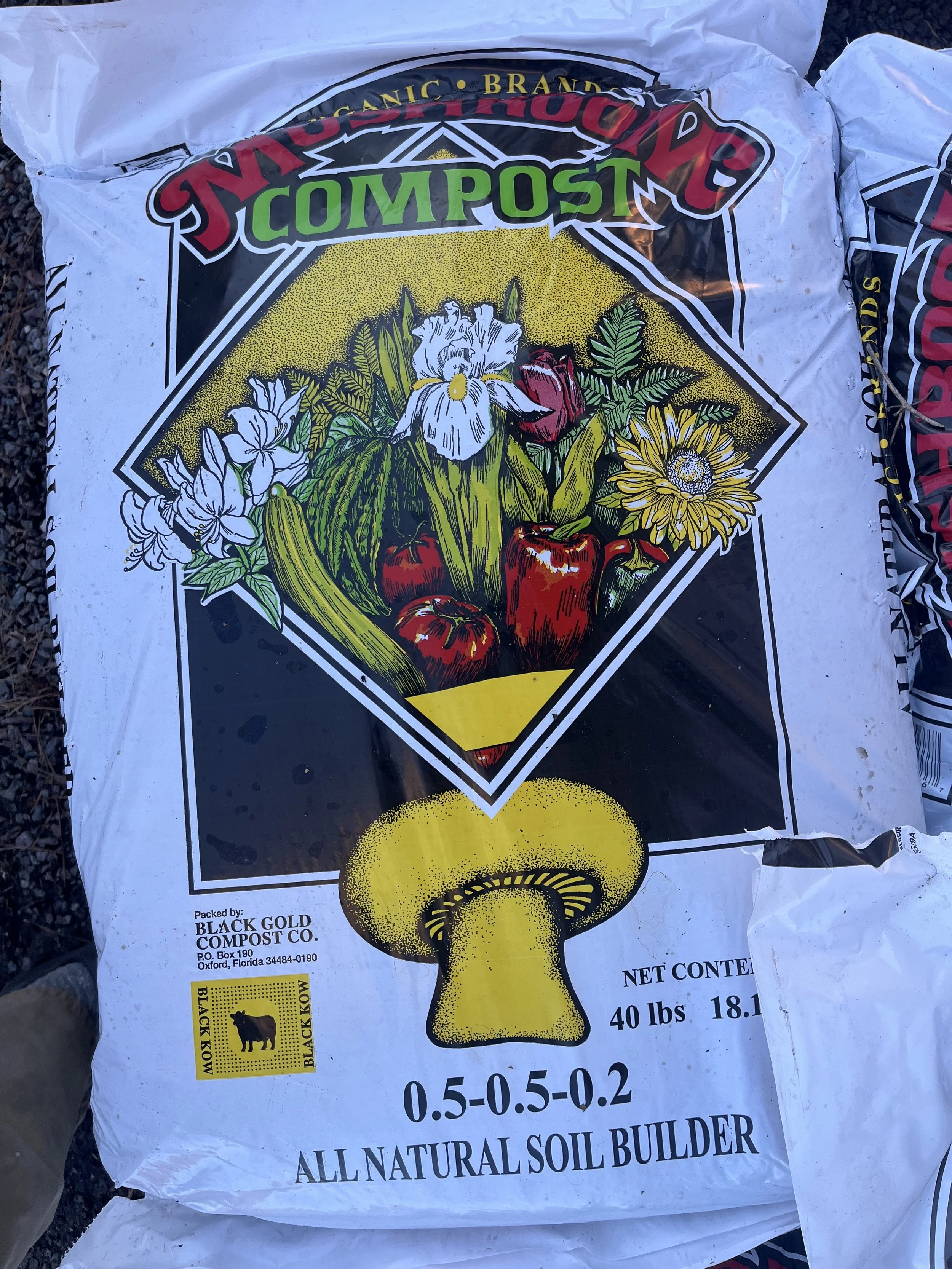
Mushroom compost is the secret sauce for gardens that giggle. This rich, earthy amendment is made from spent mushroom substrate (the leftover mix of straw, manure and other organic matter used to grow mushrooms). It’s a superb soil booster that gently raises alkalinity and improves texture, drainage and water retention all at once.
Why use it:
Alkalinity lift: Ideal for plants that prefer a slightly higher pH, such as roses. Mushroom compost can help correct overly acidic soils when used appropriately.
Nutrient-rich: Supplies organic matter and slow-release nutrients to support steady plant growth and vibrant blooms.
Soil structure: Lightens heavy clay, increases porosity, and helps sandy soils hold moisture.
Microbial life: Encourages beneficial microbes that break down organic matter and make nutrients available to roots.
Best uses:
Roses: Mix into planting holes or top-dress beds to give roses the steady, nutrient-rich foundation they love for big, repeat blooms.
Azaleas: Use cautiously. Azaleas normally prefer acidic soil, so apply only small amounts or mix with more acidic amendments. Monitor plant response and soil pH.
Flower beds and borders: Work into the top 4–6 inches to improve structure and feeding.
Vegetables and shrubs: Incorporate at planting or as a mulch to boost long-term fertility.
Application tips:
Test your soil pH before heavy use; mushroom compost raises alkalinity gradually but can shift pH if overused.
Blend with native soil: For new beds mix one part mushroom compost to two or three parts existing soil for a balanced amendment.
Top-dress sparingly around acid-loving plants; consider alternative amendments (like pine needles or sulfur) if you need to lower pH.
Avoid using compost that’s very fresh and not fully cured. Well-aged mushroom compost is best to prevent nutrient imbalances or salt issues.
Quick caution:
Some mushroom composts can contain higher salt levels; if your soil is salt-sensitive or you’re gardening in pots, leach salts with thorough watering or choose low-salt blends.
In short: mushroom compost is a playful, powerful ally, especially for roses, when used with a little common sense and pH awareness. Mix it in, watch your garden perk up, and enjoy the extra oomph in blooms and soil health.
Mushroom compost is the secret sauce for gardens that giggle. This rich, earthy amendment is made from spent mushroom substrate (the leftover mix of straw, manure and other organic matter used to grow mushrooms). It’s a superb soil booster that gently raises alkalinity and improves texture, drainage and water retention all at once.
Why use it:
Alkalinity lift: Ideal for plants that prefer a slightly higher pH, such as roses. Mushroom compost can help correct overly acidic soils when used appropriately.
Nutrient-rich: Supplies organic matter and slow-release nutrients to support steady plant growth and vibrant blooms.
Soil structure: Lightens heavy clay, increases porosity, and helps sandy soils hold moisture.
Microbial life: Encourages beneficial microbes that break down organic matter and make nutrients available to roots.
Best uses:
Roses: Mix into planting holes or top-dress beds to give roses the steady, nutrient-rich foundation they love for big, repeat blooms.
Azaleas: Use cautiously. Azaleas normally prefer acidic soil, so apply only small amounts or mix with more acidic amendments. Monitor plant response and soil pH.
Flower beds and borders: Work into the top 4–6 inches to improve structure and feeding.
Vegetables and shrubs: Incorporate at planting or as a mulch to boost long-term fertility.
Application tips:
Test your soil pH before heavy use; mushroom compost raises alkalinity gradually but can shift pH if overused.
Blend with native soil: For new beds mix one part mushroom compost to two or three parts existing soil for a balanced amendment.
Top-dress sparingly around acid-loving plants; consider alternative amendments (like pine needles or sulfur) if you need to lower pH.
Avoid using compost that’s very fresh and not fully cured. Well-aged mushroom compost is best to prevent nutrient imbalances or salt issues.
Quick caution:
Some mushroom composts can contain higher salt levels; if your soil is salt-sensitive or you’re gardening in pots, leach salts with thorough watering or choose low-salt blends.
In short: mushroom compost is a playful, powerful ally, especially for roses, when used with a little common sense and pH awareness. Mix it in, watch your garden perk up, and enjoy the extra oomph in blooms and soil health.